Losing a tooth rarely feels like a small issue. Even one gap can change how you chew, how clearly you speak, and how comfortable you feel when you smile in photos or sit down for a meal with friends. The good news is that today’s missing teeth options are more refined, comfortable, and natural-looking than many people expect.
What works best depends on more than the number of teeth involved. Your bone support, gum health, bite, budget, timeline, and long-term goals all matter. For some patients, the priority is replacing a single tooth in the most conservative way possible. For others, it is finding a secure full-arch solution that feels stable and looks beautiful without the daily frustrations often associated with traditional dentures.
Understanding your missing teeth options
When a tooth is missing, the space does not stay neutral for long. Nearby teeth can begin to drift. The opposing tooth may move out of position. Chewing forces may shift to one side, and over time that can affect comfort, wear patterns, and even jaw joint strain. If the tooth root is gone, the surrounding bone can also begin to shrink.
That is why choosing among missing teeth options is not only a cosmetic decision. It is also a functional and preventive one. Replacing a missing tooth can help support facial structure, protect neighboring teeth, and restore a more balanced bite.
In most cases, treatment falls into three broad categories: dental bridges, dentures, and dental implants. Each has real advantages. Each also comes with trade-offs, and the right choice is rarely the same for every patient.
Dental bridges for one or several missing teeth
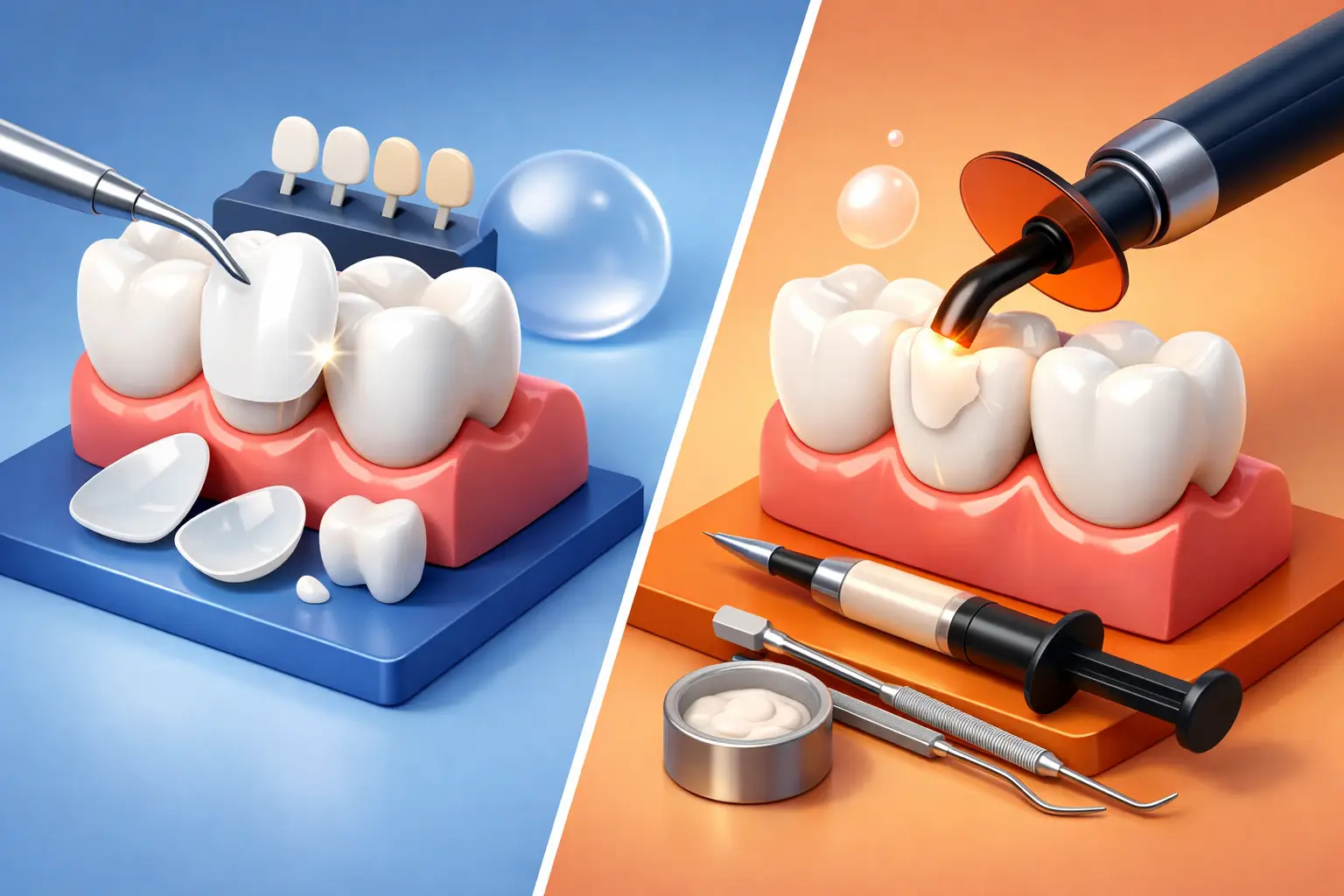
A dental bridge literally bridges the space left by a missing tooth. It usually relies on neighboring teeth for support, with a replacement tooth secured between crowns. Bridges can be an excellent option when the teeth next to the gap already need crowns or when an implant is not the ideal choice for medical, anatomical, or timing reasons.
One of the biggest benefits of a bridge is efficiency. Treatment is often completed faster than implant care, and the final result can look very natural when designed with attention to proportion, color, and bite. Patients also appreciate that bridges stay fixed in place, so there is no need to remove them for cleaning.
The main consideration is that a traditional bridge depends on adjacent teeth. If those teeth are healthy and untouched, preparing them for crowns may not be the most conservative route. A bridge also does not replace the missing root, which means it does not stimulate the underlying bone in the same way an implant does.
Still, for the right patient, a bridge can be a strong, beautiful, highly functional solution.
Dentures as practical missing teeth options
Dentures remain an important treatment for people missing many teeth or a full arch. Modern dentures can be more attractive and more comfortable than older versions, and for some patients they offer a practical way to restore appearance and function without surgery.
Partial dentures are used when some natural teeth remain. Full dentures replace an entire upper or lower arch. The appeal is often affordability and accessibility. Dentures can restore a smile relatively quickly and improve the ability to eat and speak compared with leaving teeth unreplaced.
That said, dentures do have limitations. Because they sit on top of the gums rather than being anchored like natural roots, they may shift during speaking or eating. Lower dentures in particular can be less stable. Over time, as the jawbone changes shape after tooth loss, dentures may need adjustments or replacement to maintain fit.
For some people, those trade-offs are acceptable. For others, especially patients who want more security and a more natural chewing experience, implant-supported solutions feel like a significant upgrade.
Dental implants for long-term stability
Dental implants are often considered the closest replacement to a natural tooth because they replace both the visible crown and the root below the gumline. A small titanium post is placed in the bone, where it integrates with the jaw and creates a stable foundation for a crown, bridge, or full-arch restoration.
For a single missing tooth, an implant can be an excellent standalone solution. It does not rely on neighboring teeth, and it helps preserve bone in the area. For multiple missing teeth, implants can support bridges or stabilize dentures. For full-arch tooth loss, advanced options such as All-on-4 or same-day implant solutions can offer a more secure, streamlined alternative to removable dentures.
The advantages are substantial. Implants tend to feel more stable, look highly natural, and support stronger chewing function. Many patients also appreciate the confidence that comes with a fixed restoration that does not slip or shift.
The trade-off is that implant treatment requires careful planning and is usually a larger investment up front. Healing time varies, although some cases allow for same-day provisional teeth. Bone quality, medical history, smoking habits, and gum health all influence candidacy. This is where advanced diagnostics such as Cone Beam 3D CT imaging make a real difference, because they allow for more precise treatment planning and safer, more predictable placement.
How to choose between missing teeth options
The best treatment starts with the right questions. Are you missing one tooth, several, or all of them? Are the teeth next to the space healthy? Do you want a removable option, or do you strongly prefer something fixed? Are you focused on keeping costs lower now, or are you thinking in terms of long-term value and durability?
Lifestyle matters too. Busy professionals often want a solution that feels secure during meetings, meals, and social events. Image-conscious adults may care just as much about gum contours, tooth shape, and facial support as they do about basic function. Patients with dental anxiety may want the most comfortable path possible, including sedation options and a team experienced in gentle care.
There is also the question of timing. If a tooth was recently lost, acting sooner can sometimes preserve more options. Waiting does not always rule out implants, but it may create added complexity if bone loss develops. In some cases, bone grafting or other preparatory treatment becomes part of the plan.
When full-mouth treatment makes sense
Sometimes the issue is not a single missing tooth but a larger pattern of breakdown. Teeth may be missing, worn, cracked, infected, or failing in multiple areas at once. In that situation, replacing one tooth at a time may not be the smartest strategy. A more comprehensive treatment plan can be more efficient, more stable, and ultimately more cost-effective.
Full-mouth rehabilitation looks at the entire picture – function, bite alignment, gum health, facial balance, and esthetics. This can involve a combination of crowns, bridges, implants, dentures, periodontal care, and cosmetic refinement. The goal is not just to fill spaces. It is to rebuild a smile that works comfortably and looks harmonious.
For patients who have lived with missing teeth for years, this kind of comprehensive care can feel life-changing. Eating becomes easier. Speech can improve. Smiling starts to feel natural again instead of something to hide.
Why personalization matters
Tooth replacement is never one-size-fits-all. Two patients may both be missing the same number of teeth and still need completely different recommendations. One may have strong bone support and be an ideal implant candidate. Another may benefit from a bridge because of anatomy, timing, or medical factors. A third may do best with an implant-supported denture that balances stability with budget.
That is why the planning phase matters so much. A thoughtful exam, high-quality imaging, and a conversation about goals can reveal details that a quick glance cannot. Precision matters. So does artistry. The best restorations do more than occupy space. They complement your smile, support your facial features, and feel comfortable in daily life.
At a practice such as San Clemente Dental Associates, that combination of advanced technology and personalized care is especially valuable for patients weighing complex restorative choices. Clinical precision is essential, but so is the human side of treatment – listening carefully, answering questions honestly, and making sure the process feels manageable from start to finish.
What patients often overlook
Many people focus first on appearance, which is understandable. But comfort, maintenance, and longevity deserve equal attention. A solution that looks good on day one but is difficult to clean or unstable during meals may not feel like a success six months later.
It also helps to think beyond the tooth itself. The health of the gums, the way upper and lower teeth meet, and the strength of surrounding structures all influence results. The most successful outcomes come from treating the whole system, not just the visible gap.
If you are weighing missing teeth options, the right next step is not guessing which treatment sounds best online. It is getting a clear, personalized evaluation that considers function, esthetics, comfort, and long-term health together. The best option is the one that fits your mouth, your priorities, and your life well enough that smiling feels easy again.