When eating feels like work, smiling feels guarded, or your teeth seem to be failing all at once, the problem is rarely just one tooth. The full mouth rehabilitation process is designed for exactly that kind of situation – when function, comfort, and appearance all need to be rebuilt in a coordinated way.
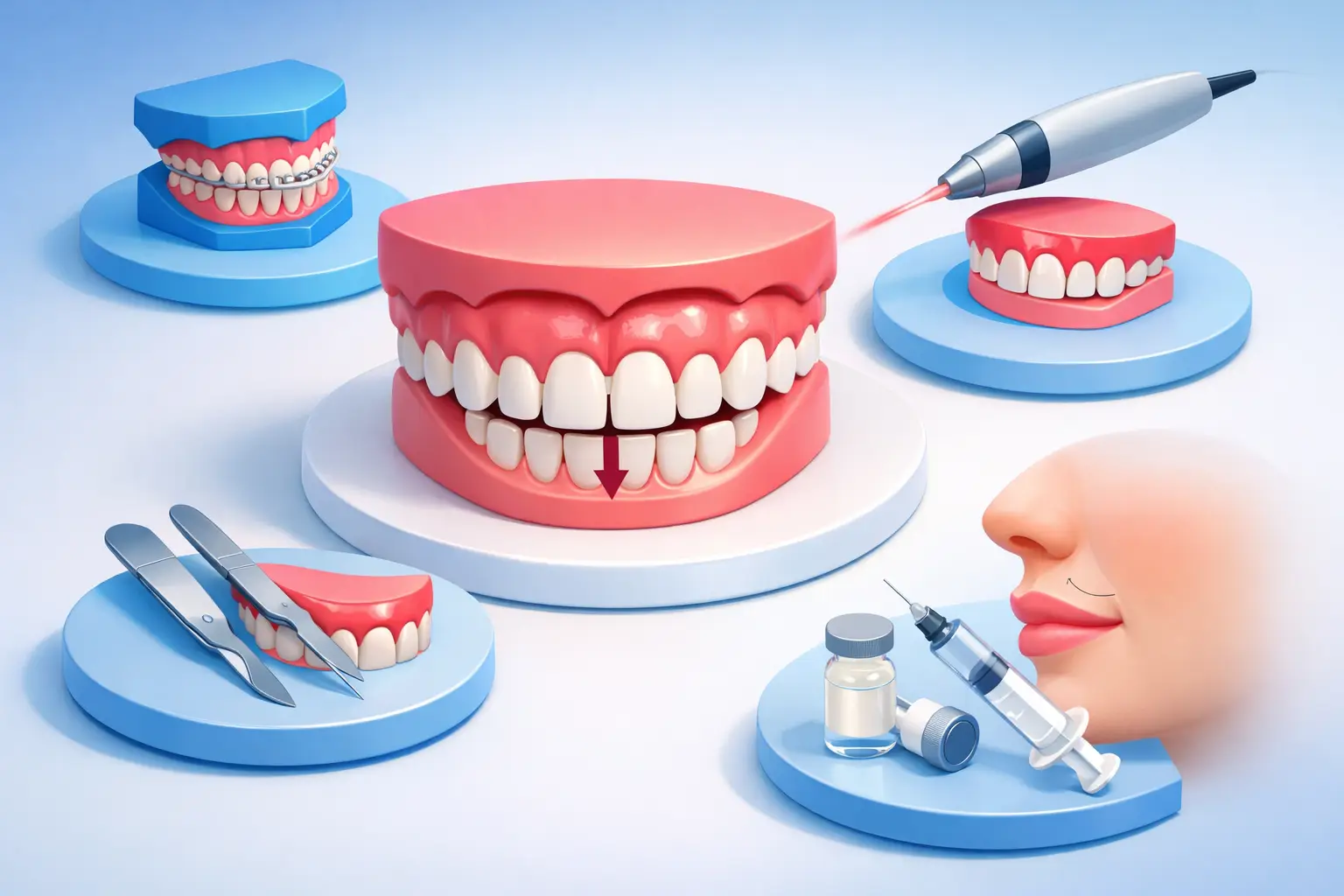
This is not a one-size-fits-all cosmetic makeover. Full mouth rehabilitation is a carefully planned restorative approach that may combine crowns, bridges, implants, periodontal treatment, root canal therapy, veneers, dentures, or orthodontic care, depending on what your mouth needs. The goal is to restore health first, then strength, balance, and a natural-looking result that feels like your own smile again.
Who needs full mouth rehabilitation?
Patients usually consider full mouth rehabilitation after years of wear, untreated dental problems, missing teeth, bite instability, or repeated dental work that is no longer holding up. Some people come in because their teeth are cracked down, sensitive, or difficult to chew with. Others are dealing with advanced decay, gum disease, old failing crowns, or tooth loss that has started to affect speech and facial support.
In some cases, the need develops gradually. In others, it follows a major event such as trauma, severe grinding, or long-term acid erosion. There is also a practical quality-of-life side to this. Many patients are not only concerned about damage – they are tired of planning meals around discomfort, hiding their teeth in photos, or worrying about what might break next.
The full mouth rehabilitation process starts with diagnosis
A successful result depends on planning, not guesswork. The first phase of the full mouth rehabilitation process is a thorough evaluation of your teeth, gums, jaw joints, bite, bone support, and overall oral health. This is where advanced imaging becomes especially valuable because it allows the dental team to see far beyond what is visible in a mirror.
A comprehensive assessment may include digital X-rays, Cone Beam 3D CT imaging, photographs, bite analysis, and a close review of existing restorations. Your dentist will also discuss symptoms that are easy to overlook, such as headaches, clenching, jaw fatigue, or uneven wear. These details matter because they often explain why older dental work failed in the first place.
This stage is also where priorities are set. Some mouths need infection control before anything cosmetic is considered. Some need to stabilize the bite first. Others are ready for implant planning or provisional restorations right away. The sequence depends on biology, function, and long-term predictability.
Building a treatment plan that fits your life
One of the most reassuring parts of this process is that it is highly personalized. A thoughtful treatment plan does not simply list procedures. It organizes them in the right order, explains why each step matters, and balances clinical needs with your goals, schedule, and budget.
For one patient, treatment may center on replacing missing teeth with implants and restoring worn teeth with crowns. For another, the better path may include periodontal therapy, selective extractions, temporary restorations, and a final mix of implant-supported and natural-tooth-supported solutions. There are often multiple ways to rebuild a smile, and the best option depends on bone quality, gum health, medical history, cosmetic expectations, and how much dentistry has already been done.
This is also where comfort planning comes in. Patients who have delayed care because of anxiety often do well when treatment is staged carefully and supported with sedation options. A gentle, well-paced approach can make a complex case feel far more manageable.
Common phases of the full mouth rehabilitation process
Although every case is different, most full mouth rehabilitation cases move through a few core phases. The first is disease control. That may include treating gum disease, removing decay, performing root canals when teeth can be saved, or extracting teeth that are too compromised to support long-term success.
The second phase is structural stabilization. If the bite has collapsed or the teeth are severely worn, your dentist may rebuild the proper shape and height of the teeth with temporary or interim restorations. This allows the jaw, muscles, and bite to be tested before the final work is completed. It is a smart step because what looks right on paper may need small adjustments once you are actually speaking and chewing with the new setup.
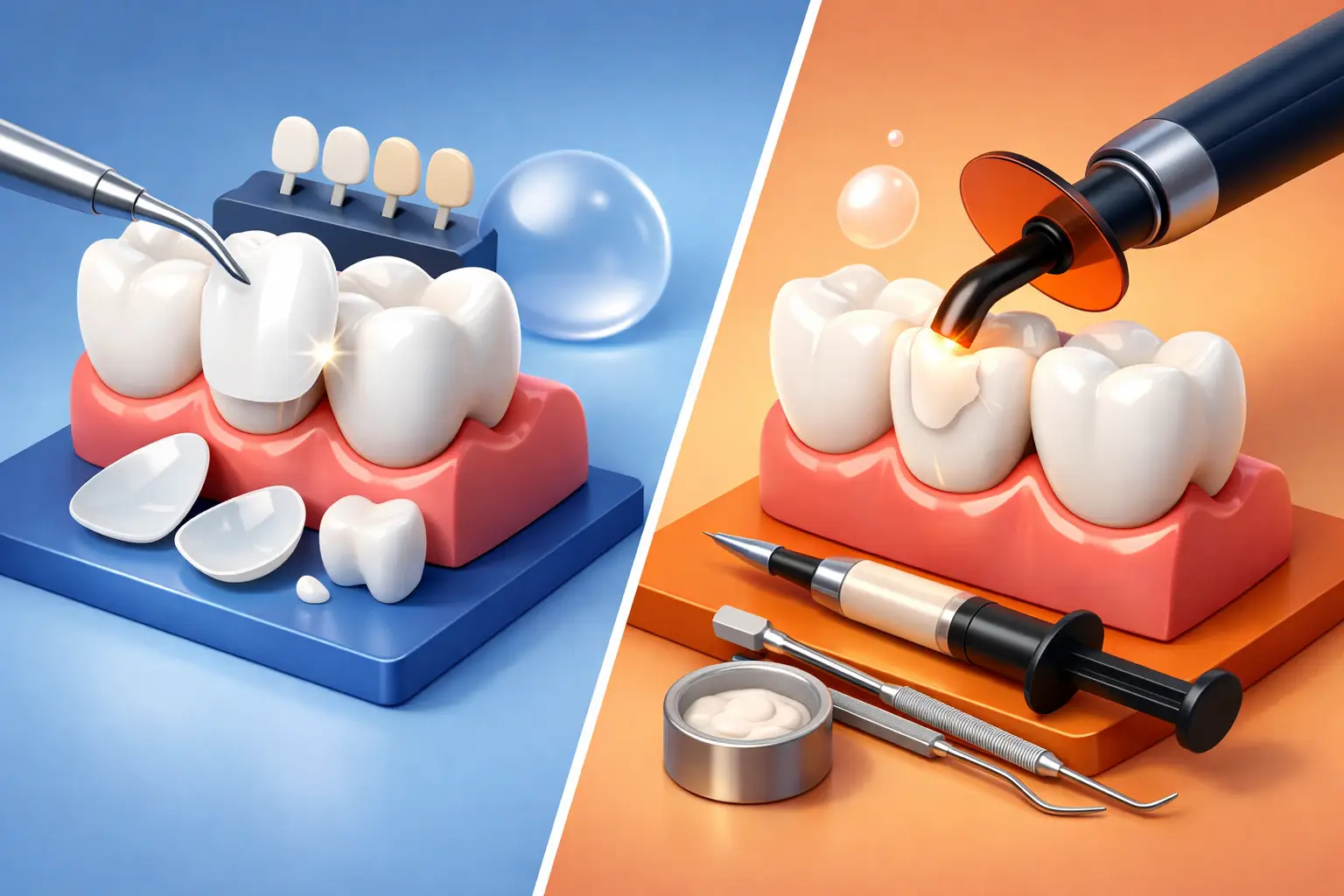
The third phase is definitive restoration. This is where the long-term restorations are placed, such as crowns, bridges, veneers, implant restorations, or full-arch prosthetics. Materials are chosen not only for appearance but also for strength, bite forces, and how the restorations will age over time.
The final phase is refinement and maintenance. Even beautifully executed dentistry needs follow-up. Bite adjustments, hygiene support, protective night guards, and routine maintenance visits help protect the investment and keep the result stable.
How long does treatment take?
This is one of the first questions most patients ask, and the honest answer is that it depends. Some rehabilitations can be completed in a matter of months. Others take longer, especially when healing time is needed after extractions, bone grafting, implant placement, or periodontal therapy.
The timeline also depends on how much work is being done at once. A patient pursuing same-day implant solutions may move more quickly through certain phases than someone preserving a larger number of natural teeth with staged restorative care. Neither is automatically better. Speed matters, but so does choosing the treatment sequence that gives you the best chance of a stable, comfortable result.
For busy adults, the right plan is often the one that respects both biology and logistics. Coordinated care in one practice can make a real difference here because imaging, restorative planning, implant treatment, and cosmetic finishing are easier to align when they are managed under one roof.
What results should you expect?
The best outcomes go beyond a prettier smile. Full mouth rehabilitation should improve chewing efficiency, reduce pain caused by bite imbalance or damaged teeth, support clearer speech, and create a more stable oral environment. Many patients also notice that they stop thinking about their teeth all day long. That quiet confidence is often one of the most meaningful changes.
Cosmetic improvement is absolutely part of the process, but good dentistry never chases appearance at the expense of function. Teeth should look natural in your face, not overly uniform or artificial. The bite should feel balanced. The restorations should support your long-term health, not just create a quick visual fix.
That is why precision matters so much in complex cases. Details like tooth shape, gum symmetry, occlusion, and material choice all influence how the final result feels and performs. At San Clemente Dental Associates, this kind of planning is central to creating outcomes that are both refined and durable.
Questions to ask before starting
If you are considering treatment, ask how the diagnosis is being made, what technologies will be used, whether temporaries will be part of the process, and what maintenance will be required after completion. It is also reasonable to ask about alternatives. In complex dentistry, there is often more than one valid path.
You should also understand the trade-offs. Saving natural teeth can be valuable, but not every tooth is worth restoring if its long-term outlook is poor. Implants can provide excellent stability, but they require sufficient bone, careful planning, and committed maintenance. Cosmetic materials can look beautiful, but they still need to be selected with your bite forces and habits in mind.
A good consultation should leave you feeling informed, not pressured. You should understand not only what is recommended, but why.
Why the right team matters
Full mouth rehabilitation is not just a collection of procedures. It is a process that asks for diagnostic skill, technical precision, aesthetic judgment, and a genuine understanding of patient comfort. When those pieces come together, treatment feels less overwhelming and more like a clear path forward.
If you have been living with failing dental work, multiple missing teeth, chronic discomfort, or a smile that no longer feels like you, the next step does not have to be dramatic. It can simply start with a conversation, a careful exam, and a plan built around your health, your goals, and your pace. For many patients, that is the moment things begin to feel possible again.